
BOHEMIA: LETTER OF MAJESTY

(1609)MUCHOLAPKA :::
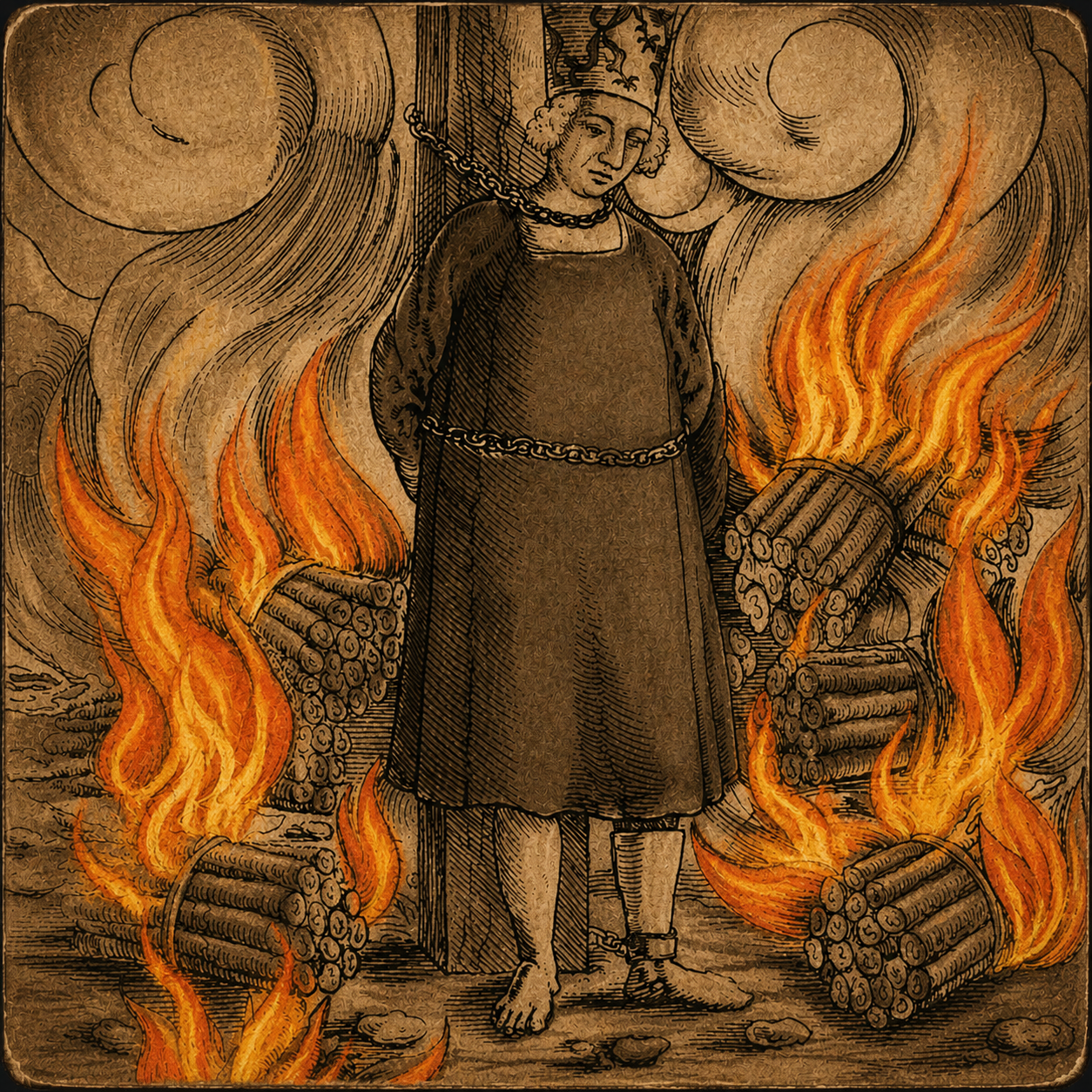
The story of July 6, 1609 begins long before emperors and royal decrees. It reaches back to Saints Cyril and Methodius, who brought Christianity to the Slavic peoples in a language ordinary people could understand, and to Jan Hus, who challenged the authority of a Church he believed had drifted too far from its own teachings. For centuries, the Czech lands wrestled with a simple but explosive question: who has the right to speak for truth? The individual? The community? The Church? The state? By the beginning of the seventeenth century, that question had already shaped generations of conflict, reform, and resistance.
When Holy Roman Emperor Rudolf II issued the Letter of Majesty on July 6, 1609, he granted significant religious freedoms to Bohemia's Protestant estates, allowing them to worship openly and organize many of their own religious affairs. In an era when rulers across Europe often demanded religious conformity, the decree represented a remarkable acknowledgment that belief could not simply be imposed by authority. For many Bohemians, it was more than a legal document. It was the recognition of a tradition of conscience that stretched back through Hus and beyond, to the earliest foundations of Slavic Christianity itself.
The Letter of Majesty is not merely a chapter in Czech history. It is part of a much larger story about identity, language, and self-determination. The same current that runs from Cyril and Methodius to Hus, from Hus to the Letter of Majesty, and from there to the Czech National Revival, Masaryk, Mucha, and the birth of Czechoslovakia, is the belief that people should have the right to define themselves rather than be defined by distant authorities. Long before modern conversations about civil liberties and human rights, Bohemia was asking a question that remains unfinished today: who gets to decide who we are?