
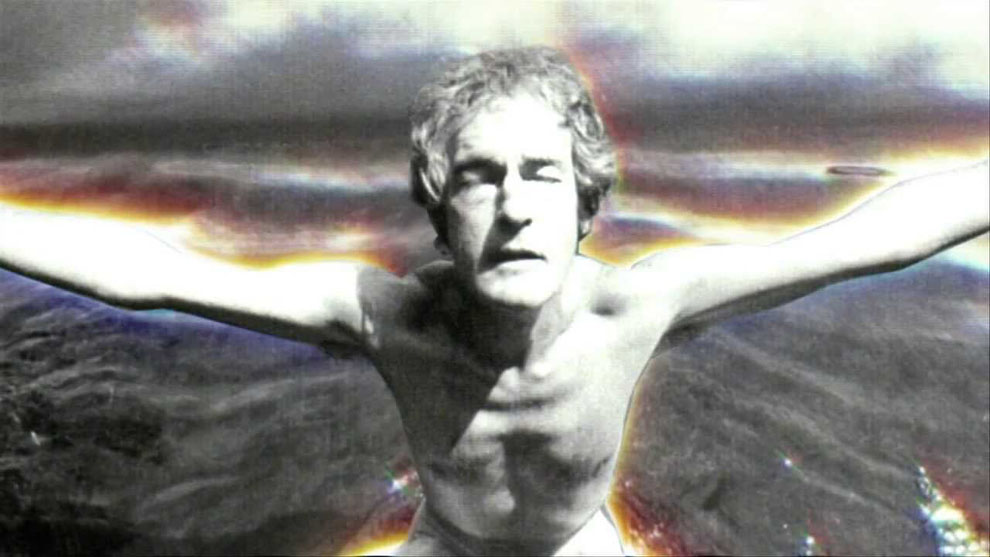
TIMOTHY LEARY

(1920 – 1996)
POLITICS ::: THE SIXTIES :::
A Harvard professor who let the cat out of the bag. Psilocybin and LSD were elitist drugs that were dangerous in the hands of the people. Leary thought it was his God given right to enlighten the unwashed. Turn on, tune in, drop out.
To learn more about Timothy Leary's time at Harvard University, please click here.
By early 1973, Timothy Leary was no longer just a countercultural philosopher — he was an international fugitive. After escaping a California prison in 1970 with help from the Weather Underground and drifting through Algeria and Switzerland, Leary arrived in Kabul seeking asylum. Afghanistan, then a relatively open crossroads before decades of war, seemed like neutral ground. Instead, it became the place where the long psychedelic trip abruptly slammed into geopolitics.
On January 16, Afghan authorities placed Leary and his wife Joanna under house arrest at the request of U.S. intelligence. Within weeks, they were seized by American agents, hooded, chained, and flown back to the United States — an extrajudicial rendition before the term became common. The “Turn on, tune in, drop out” guru was returned to a system he had openly defied, now facing decades behind bars.
The arrest marked a symbolic comedown for the 1960s dream. Leary’s vision of inner liberation collided with a tightening global surveillance state, where borders closed and fugitives were tracked across continents. Afghanistan, briefly a footnote in psychedelic history, would later become central to a very different American narrative. In 1973, Leary’s capture quietly signaled that the counterculture’s era of escape was over — and the long hangover of control had begun.