
SENECA FALLS CONVENTION
Declaration of Sentiments Reimagined (2026)
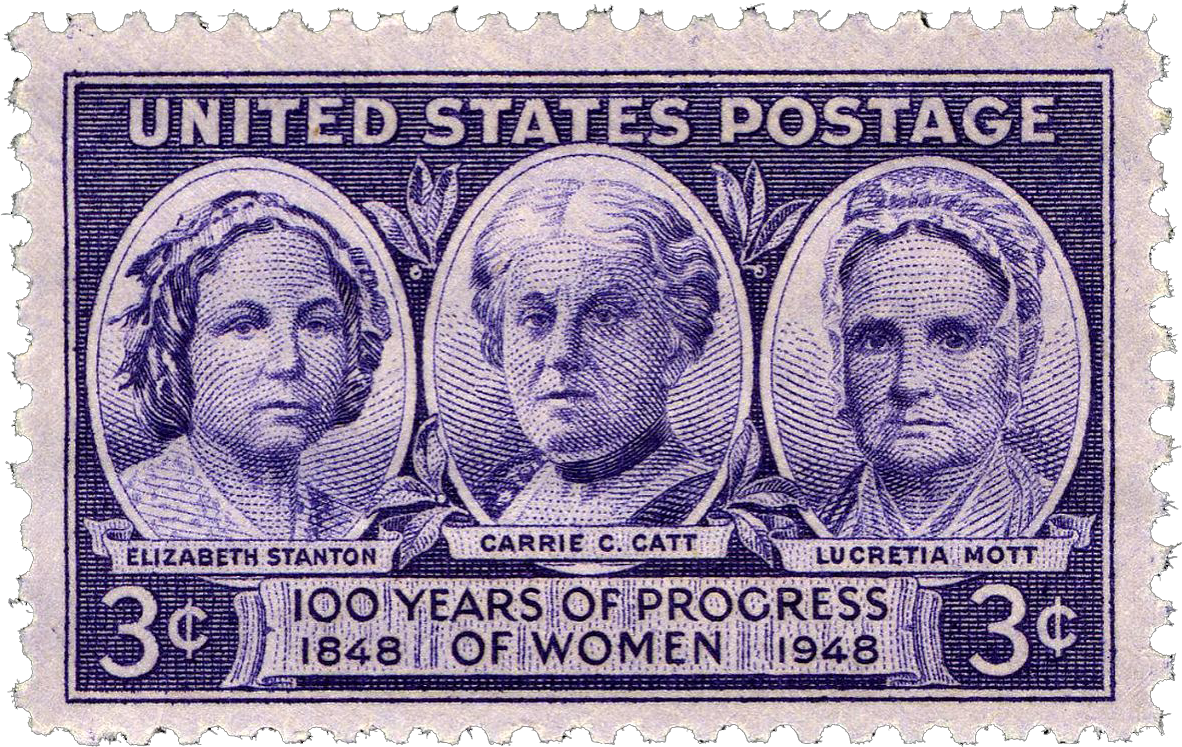
In July 1848, a small gathering in Seneca Falls, New York, detonated one of the most consequential documents in American history. Organized by Lucretia Mott and Elizabeth Cady Stanton, the Seneca Falls Convention marked the first formal demand for women’s civil, social, and political rights in the United States. At its center was the Declaration of Sentiments, a bold reworking of the nation’s founding language that exposed how freedom had been selectively applied. What began as a meeting of reformers became a public reckoning: an insistence that the promises of equality be measured not by rhetoric, but by who was still being denied a voice.
When history reaches a breaking point—when a people realize they are living inside rules written without them—it becomes necessary to speak plainly. Not politely. Not apologetically. To say: this arrangement no longer works. Respect for the world demands an explanation, not permission. We are here because equality was promised, then quietly withheld. Because liberty was declared universal, then rationed.
We hold this to be obvious: power without consent is theft. Governments exist to protect life, freedom, and dignity, not to manage who deserves them. When institutions become engines of exclusion—when laws are written, enforced, and interpreted by one half of humanity against the other—it is not rebellion to object. It is responsibility. Women have endured this imbalance patiently, absorbing insult, erasure, and control as tradition. That patience has expired.
The record is clear. Women have been denied the vote, denied authorship of the laws that govern them, denied control over their bodies, labor, wages, children, education, and spiritual authority. Marriage erased their legal existence. Work exploited their labor. Morality punished them more harshly. Religion silenced them. Culture trained them to doubt themselves. This wasn’t accidental—it was engineered.
So we insist, without ceremony or delay, on full participation. Not symbolic inclusion. Not provisional rights. Immediate equality. Access to the ballot, the classroom, the courtroom, the pulpit, the economy, and the future. We expect distortion, mockery, backlash. History always resists correction. Still, we organize. We publish. We petition. We occupy the public square—digital and physical—until justice is no longer theoretical.
This is not radical. It is overdue. And relying on the long arc is not enough—we bend it. Today, we sign our names not because we expect permission, but because we claim what was always ours.