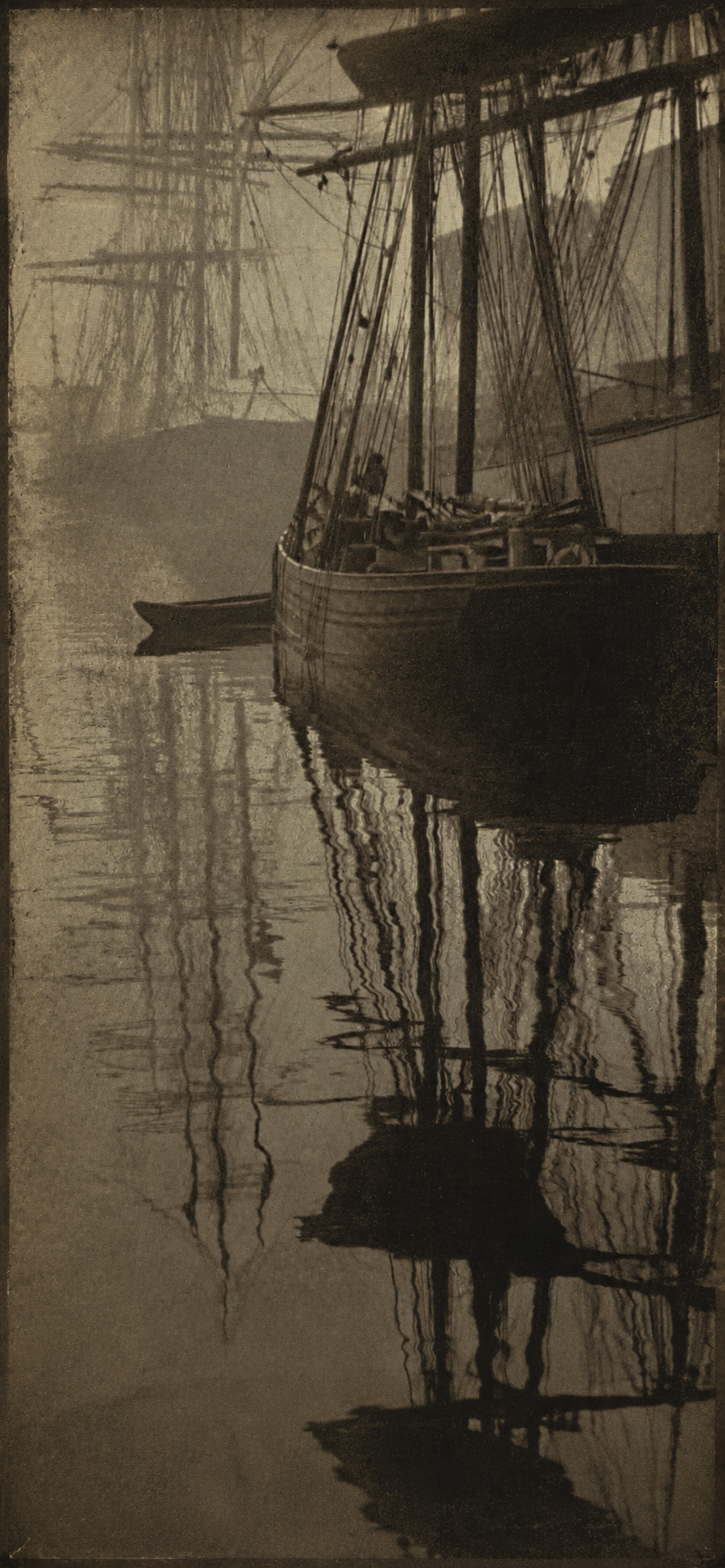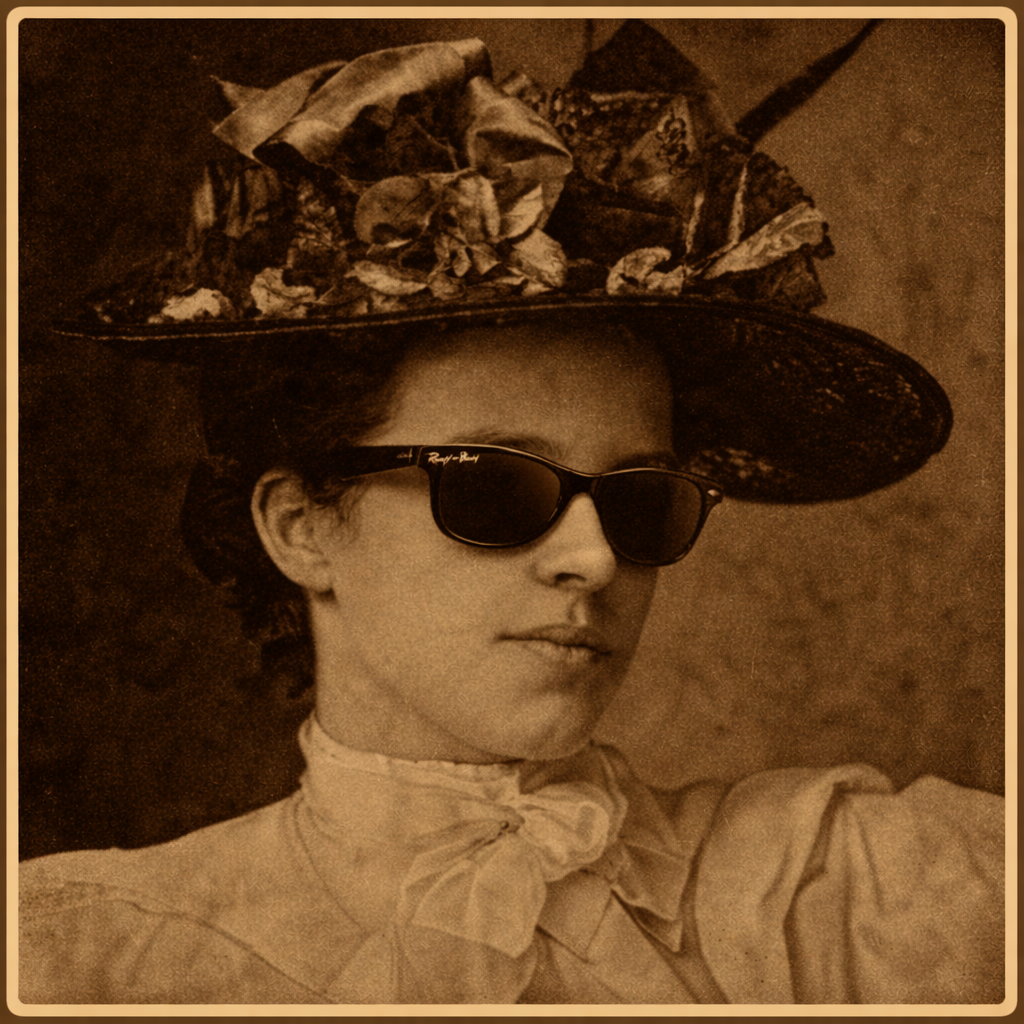
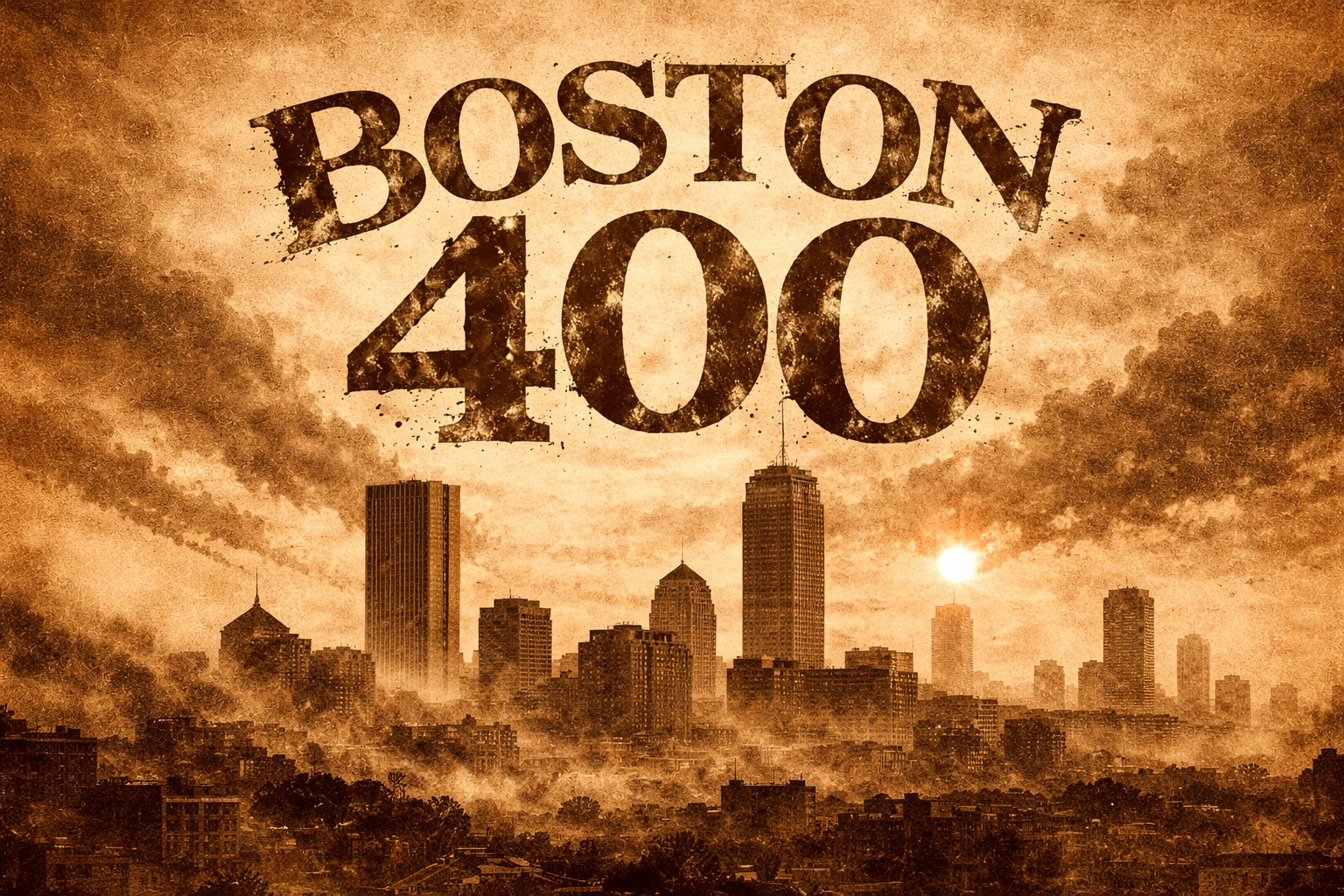
Boston 400 is Motherlode.TV's ongoing exploration of 400 years of Boston history, culture, music, art, politics, architecture, innovation, and social change. Created in anticipation of Boston's 400th anniversary in 2030, the project examines the people, places, events, and ideas that shaped one of America's most influential cities.
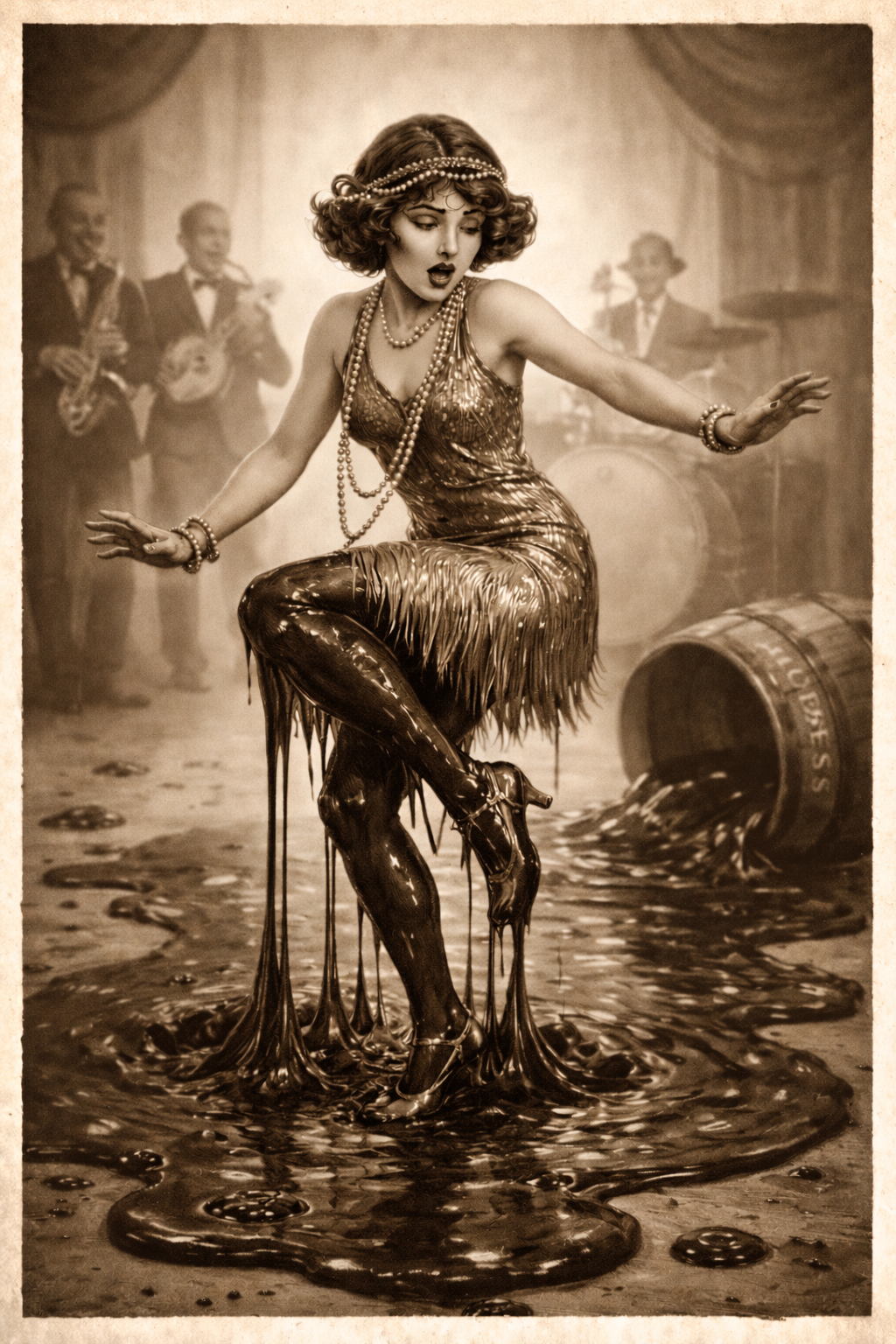
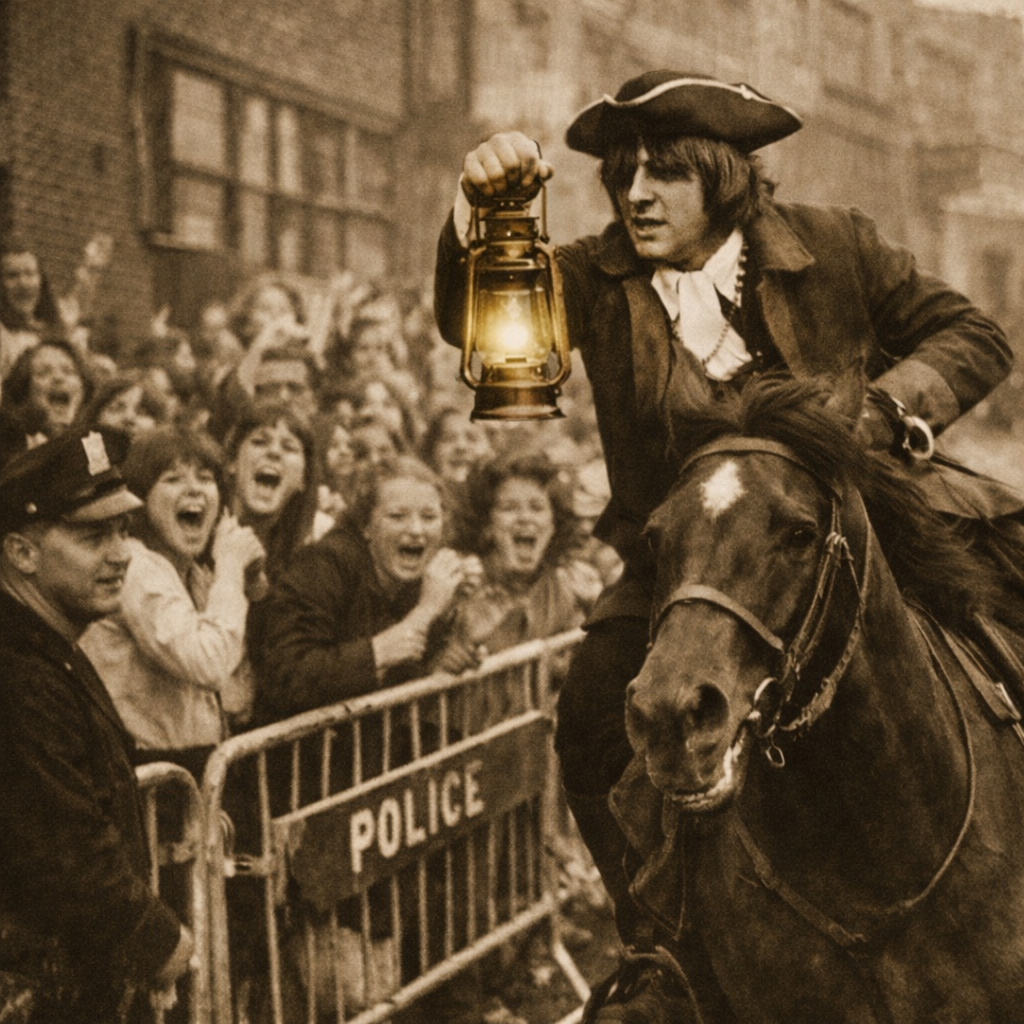
Rather than celebrating only famous milestones, Boston 400 uncovers the city's hidden connections—from the American Revolution to punk rock, from the Great Molasses Flood to the Boston Phoenix, from the Arts and Crafts movement to Boston Babylon. It explores Boston not as a collection of isolated events, but as an interconnected cultural ecosystem where music, politics, immigration, industry, literature, activism, and art continually reshape one another.
Boston 400 is a long-horizon cultural initiative spanning the city's founding in 1630 through its 400th anniversary in 2030. Rather than centering official commemorations or familiar civic myths, it approaches Boston as a living system shaped by migration, invention, resistance, labor, education, entrepreneurship, and creative expression. History here is treated not as a finished narrative but as an evolving archive—one that remains open to discovery, reinterpretation, and new connections.
At the center of the project is the David Bieber Archives, one of the largest private collections of popular culture and entertainment history in the United States. Containing millions of photographs, recordings, publications, posters, artifacts, and firsthand documents, the archive provides an extraordinary foundation for exhibitions, books, broadcasts, digital storytelling, and original research. Rather than relying solely on retrospective interpretation, Boston 400 draws directly from the evidence of lived cultural history.
Ultimately, Boston 400 is future-facing. By activating the David Bieber Archives alongside contemporary artists, writers, historians, musicians, and community partners, the project asks what a 400-year-old city owes its next century. The goal is not simply to commemorate Boston's past, but to create a living cultural framework in which its history remains active, accessible, and generative for future generations.